|
|  |
|
October 29, 2024
|
|
UK - Farming unions alarmed over potential changes to dairy contract legislation
The UK farming unions have written to Food Security Minister Daniel Zeichner to raise concerns over possible changes to the new dairy contracts legislation. The Fair Dealing Obligations (Milk) Regulations 2024 have only recently come into force. More than a decade on from the SoS Dairy Campaign and after years of intense campaigning from the UK farming unions calling out unfair practices and abuses of power in the dairy supply chain, these regulations introduce hard won safeguards.
The new regulations, following full consultation with the dairy sector, are designed to ensure fair and transparent contracts for all dairy farmers by stopping contract changes being imposed without agreement. It's understood the potential changes relate to exclusivity and the unintended consequences of the tiered pricing provisions within the regulations.
The UK farming unions said: "Historically, contracts have allowed milk buyers to have complete discretion over the price paid for milk and exclusivity over all of the milk produced on a dairy farm. "A cornerstone of the new legislation was designed to sever this control over both price and volume, allowing a dairy farmer access to a non-exclusive agreement enabling them to be able to market some of their milk elsewhere when it is not desired by the primary purchaser.
"We understand government is proposing to change this to allow for a specific interpretation of tiered pricing that encompasses both a price bonus and penalty linked to seasonal milk volumes - this would effectively allow the milk buyer to discount certain litres of a farm's milk, even where a contract is exclusive.
"The UK farming unions have always believed that the ability for milk buyers to control both price and volumes of milk on a dairy farm should be separated. We cannot see any reason why anyone would object to a farmer being free to market their excess milk to a third party should their primary purchaser be discounting it.
"We share the Food Security Minister's desire to improve fairness in the dairy supply chain, but these proposed changes would act against the best interests of dairy farmers. That is why we have written to him seeking further clarification and a proposed solution without delay."
NFUonline
|
|
|
|
|
Global - Escalation in the Middle East - Consequences for UK dairy farmers
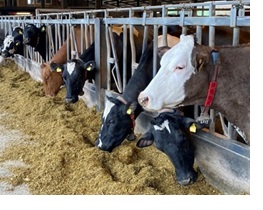 After almost a year of cross-border hostilities sparked by the war in Gaza, the conflict has accelerated to include direct conflict between the Iranian-backed Hezbollah and Israel in Lebanon and northern Israel, with the fear that this will lead to all-out war in the region.
The Middle East has been awaiting Israel's response to missile attacks that Tehran carried out in retaliation for Israel's military escalation in Lebanon. What is unsettling the markets is the prospect of Israel attacking Iran's oil producing facilities. Iran is a major global oil producer, responsible for around 4% of global supply.
The issue with oil prices is that they are a key determinant of costs of production across UK industries, including agriculture. A sudden rise in oil prices could trigger a round of cost-push inflation, just as inflation seems to be closer to 'normal' levels after a challenging two years.
There could be a number of impacts for dairy farmers here:
- Increased inflation would delay interest rates coming down, which would put further pressure on high borrowing costs
- Higher oil prices ultimately mean higher fuel, energy, fertiliser and feed costs pressuring profit margins
- A return of inflation to retail could dampen demand for dairy products, which may weaken commodity and farmgate prices
AHDB
|
|
|
|
|
UK - AMPE and MCVE updated to reflect latest costs in Q2 2024
Processing costs for dairy products were subject to inflationary pressure in the second quarter of 2024, reducing the value of our market indicators AMPE and MCVE. These changes are reflected in AHDB's latest Holstein prices, published on 25 October.
In Q2 2024, electricity declined by 4.8% and gas increased by 1.2% compared to the previous quarter. Overall inflation (as measured by the Consumer Price Index) also increased by 1.4% on the quarter. The net impact of the latest quarterly cost increases is for the average processing costs within both AMPE and MCVE to edge up slightly on the quarter. Overall, AMPE costs are now 0.01ppl higher and MCVE costs are 0.05ppl higher than the previous quarter.
The main factor was the increase in gas prices and overall inflation on the quarter, which impacted the overall cost. However, the rising costs were offset by the decline in electricity prices. Energy prices continue to remain at historically high levels.
Note that this latest update only reflects inflation to June 2024, including data revisions. Labour costs have been carried over from Q1 due to a delayed data publication from the ONS. The next update will be in January 2025 following the ONS release of the 2024 Q3 cost indexes. A breakdown of the latest costs is available on the AHDB website
|
|
|
|
|
UK - NFU Cymru calls for confidence boost in the Welsh dairy sector
At the recent Welsh Dairy Show, NFU Cymru called on Welsh Government and consumers to back Welsh dairy farming to give the sector a much-needed confidence boost.
This call comes as figures from AHDB show that over the last five years, 17% of dairy farmers in Wales have chosen to exit the industry. The combined cost of complying with environmental regulation, continued market volatility coupled with rising costs, pressures of bovine TB and uncertainty about the Sustainable Farming Scheme (SFS) are all weighing heavily on the sector, with the impact being acutely felt by producers.
NFU Cymru Dairy Board Chairman Jonathan Wilkinson said: "The Welsh dairy sector provides climate friendly quality and nutritious milk 365 days of the year to consumers in Wales and further afield. The sector is a hive of economic activity and is worth over £850 million to the Welsh economy, accounting for almost half (47%) of the gross output of Welsh agricultural production. Our sector also generates significant employment and more than 5,300 people are directly employed on Welsh dairy farms. The sector also supports significant employment beyond the farmgate, both in milk processing and in the allied industries, all of which helps to support the prosperity of our rural communities in Wales.
"However, despite the market showing some signs of improvement, dairy farmers across Wales are struggling to find the confidence to make the decisions necessary to drive their businesses forward. Farmers are being asked to make significant capital investment in their farm to comply with environmental legislation and at the same time, are continuing to battle the devastating impacts of bovine TB which continues to threaten farmers livelihoods. This is against the backdrop of uncertainty as dairy farmers in Wales continue to question if the proposed SFS scheme will be an attractive and viable option for the sector. In addition, high interest rates and rising input costs lie heavily on farm balance sheets, restricting cash flow and limiting the ability of farmers to make the necessary investment.
"This why we are encouraging consumers to back our Welsh dairy farmers by looking for the Welsh flag when they are shopping or enjoying dairy products out of the home. We also urge our government to work with NFU Cymru to address the challenges we face and to listen to the Welsh dairy industry to safeguard the continued production of quality, nutritious and climate friendly milk in Wales."
NFUCmyru
|
|
|
UK - New event to unlock the future of UK biomass
A new two-day showcase will explore how transforming the UK's biomass industry can unlock a sustainable and resilient future - boosting energy security, supporting agricultural and environmental goals, and driving economic growth. Innovation and knowledge-exchange platform Biomass Connect will host the new event 'Harnessing Innovation and the Future of Biomass' at Warwick University's prime meeting space The Slate, on 7-8 November.
The free event features a series of engaging talks, demonstrations, and networking opportunities with industry leaders, innovators, stakeholders, and allied industries, who will share the latest in biomass research and innovation from laboratory breakthroughs to real-world applications on farms. "Through this two-day event we aim to develop a vision for the role of UK-produced biomass in the drive towards net zero," says Professor Jeanette Whitaker, Biomass Connect project lead and principal scientist in soil and land use at the UK Centre for Ecology & Hydrology.
"The Government's Biomass Strategy 2023 highlights biomass as a key player in decarbonising various sectors of the economy. The Climate Change Committee (CCC) recommends that to meet Government net zero targets, 700,000 ha of biomass crops will need to be planted in the UK by 2050, compared to the 10,000 ha currently planted."
The CCC has also identified the need for training and knowledge exchange across the sector, to give farmers and landowners confidence in the integration and upscaling of biomass production. "Biomass Connect serves as a pivotal hub for innovation and knowledge-sharing. By integrating knowledge sharing, research and practical demonstrations, we are driving the sector towards a sustainable and economically viable future," she adds.
At the heart of the showcase will be the demonstration of some of the most recent developments in the sector from innovation projects participating under the government-funded Biomass Feedstocks Innovation (BFI) programme. Delegates will hear from leading global experts including Will MacAlpine at Rothamsted Research and Kerrie Farrar at Aberystwyth University on how genomic selection is accelerating the development of short rotation coppice (SRC) willow, and new, resilient miscanthus varieties. Seed technology and novel crop varieties of the future will also be discussed by Paul Carver, New Energy Farms.
Practical insights from farmers, crop suppliers, and consultants on how to implement biomass into land management strategies will also be shared. Tenant arable farmer John Hawkins will share his experience of incorporating biomass crops, while Crops for Energy's Kevin Lindegaard, highlights how connectivity and the decision-making tool Envirocrops positions farmers and the wider industry for success. New end uses for natural biomass resources, like heather, will also feature - as will how biomass crops can improve and protect natural resources.
Delegates can also experience the future of willow planting and harvesting with Willow Energy's Jamie Rickerby showcasing his cutting-edge robotic planting and harvesting machinery. Warwick University 7-8 November. www.biomassconnect.org/showcase-event/
|
|
|
UK - AHDB promoting British dairy products at SIAL Paris
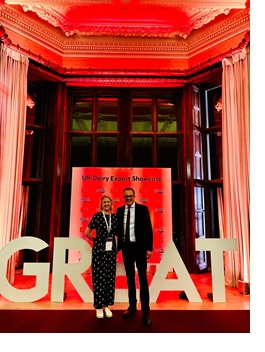 Last week, UK red meat and dairy took centre stage at a landmark year for the SIAL trade show. AHDB supported around 12 dairy exporters at the British Pavilion in collaboration with the Department of Business and Trade (DBT). SIAL is a key platform for meeting existing and potential buyers. This was complemented by a special UK Dairy Showcase at the British Embassy, offering an exclusive look at the UK's finest cheeses and dairy products.
In 2023, UK red meat and dairy exports were worth £1.7 billion and £1.8 billion, respectively. The show provided a platform for export businesses and the AHDB team to promote UK red meat and dairy, connect with existing buyers, and meet new potential customers to help ensure UK beef, lamb, pork, and dairy continue to flourish on the global stage.
This event represents AHDB's strategic efforts to boost the UK's dairy exports and enhance global demand for British dairy. International trade development will continue to be one of AHDB's key strategic objectives, working with industry and government through 2024 and into 2025 to help ensure consumers across the world enjoy world-class British dairy produce.
Find out more on the AHDB website
|
|
|
UK - CMA clears Müller's acquisition of family-owned dairy company Yew Tree Dairy
The deal, which looks to bolster production for the West Lancashire-based fresh milk and cream producer, was first unveiled in June.
The agreement will also enable Müller to use Yew Tree Dairy's production capabilities for milk power in order to grow its export business, drive supply chain resilience and secure a positive future for the British dairy industry. At the time, the completion of the acquisition was still subject to approval from the CMA after worries it would cause the "substantial lessening of competition" in the UK dairy sector.
However, the CMA closed the case on 22 October, clearing the acquisition, with the full text decision to be published shortly. Speaking of the deal in June, Müller Milk and Ingredients chief executive Rob Hutchinson said: "Yew Tree Dairy has excellent processing capabilities, a talented team with great expertise, and strong relationships with its customers and supplying farms.
"When combined with our well-invested and resilient network, I am very confident that these two family-owned businesses will complement each other really well."
He added that the acquisition would enable the dairy giant to "tap into global dairy consumption growth, unlock additional export opportunities and continue to drive supply chain resilience".
GroceryGazette
|
|
|
UK - January event announcement Sustainable Foods 2025

The international conference and exhibition Sustainable Foods 2025 is all about 'building pathways to net zero food and drink.' Their 4th annual event is being held in London, at the Business Design Centre on 28-29 January.
Joining them will be global policy makers, food and drink multinationals, agribusinesses, technology firms, financiers, and investors. A snapshot of speakers include: Simon Roberts (CEO Sainsburys), James Bailey (Exec Director Waitrose) James Mayer (President UK & Eire Danone), Bas Padberg (MD Arla Foods), and Tesco as Nutritional Partner to name a few.
The programme will cover panel discussions on topics such as: 'Innovations to drive Net Zero efficiency in dairy', 'Climate positive dairy systems' and 'New technologies to scale climate positive dairy solutions'.
www.sustainablefoodsevent.com
|
|
|
UK - DeLaval Plus 'Behaviour Analysis' empowers better decision-making
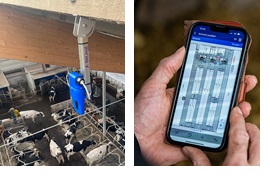 DeLaval Plus Behaviour Analysis is the latest farm management tool from DeLaval. The system uses data sensors to record each animal's behaviour, analyses each cow's data using artificial intelligence (AI) and helps dairy producers identify sick cows and cows in heat. DeLaval Plus Behaviour Analysis can also track cows' movement to help find cows that need attention. Daily updates and real-time information are delivered digitally to help with herd management.
"By responding to a cow quickly and with the right action, producers can drive the performance of their farm by increasing cow productivity and welfare," said Scott Patrick, Country Commercial Manager GB. "Producers with DeLaval Plus Behaviour Analysis in their farm management toolbox have total visibility and oversight of their cows," he adds.
The system uses new DeLaval BioSensor ear tags which automatically communicate with housing sensors. The data is shared with DeLaval DeepBlue, an AI-based software which analyses the information using sophisticated models of cow behaviour. This provides state-of-the-art heat detection, rumination and eating behaviour calculations to enable better, faster and more accurate decision-making.
The Hyslop family, who milk 460 cows near Eaglesfield in Scotland, installed DeLaval Plus Behaviour Analysis to improve herd management. "It would have been inconceivable for us to grow the herd from 300 to 460 in less than four years without the ability to monitor the cows in this way and adjust to improve herd health and boost productivity," said David Hyslop. "Early alerts for rumination can highlight the onset of a health issue which may include mastitis, ketosis or other health problems. We also have location analysis sensors which accurately help the staff to subsequently find any of these cows and pull them out for treatment."
DeLaval
|
|
|
New Zealand - NZ ups ante in dairy dispute with Canada
In May 2022, New Zealand filed a complaint against Canada, arguing Ottawa's implementation of dairy tariff rate quotas (TRQs) under their trade agreement violated the pact's rules.
In September last year, a CPTPP panel said Canada's administration of dairy quotas was inconsistent with its obligations under the CPTPP. As a result, New Zealand exporters were unable to fully utilise Canada's 16 dairy tariff-rate quotas as priority access is given to domestic dairy processors. The panel of arbitrators determined that Canada had not met its CPTPP obligations.
Despite the panel's ruling, Canada has not adhered, pushing New Zealand to trigger negotiations. Todd said: "As a matter of principle, the New Zealand government expects our trade partners to treat our exporters fairly and within the rules of our agreements. Canada is not doing that in respect to the dairy quotas that were negotiated and agreed with New Zealand."
Commenting on the development, two ministers in Canada put out a joint statement. Mary Ng, Canada's Export Promotion, International Trade and Economic Development Minister and Lawrence MacAulay, the country's Agriculture and Agri-Food Minister, said: "Canada is very disappointed that New Zealand has decided to continue to challenge Canada's dairy TRQ system. We have been through this before and have consistently and successfully defended our dairy sector and supply management from trade challenges under CUSMA and the CPTPP.
"The government of Canada will always defend our supply management, firmly standing up for Canada's dairy industry, farmers and workers and the communities they support."
In November last year, the US lost a trade deal spat over its access to Canada's dairy market after a dispute settlement panel agreed Ottawa had not breached any trading commitments. Canada had been accused by the US of breaking claims within the United States-Mexico-Canada Agreement (USMCA) via its dairy tariff-rate quota (TRQ) allocation measures.
JustFood.com
|
|
|
Brazil - dsm-firmenich opens new animal nutrition factory in Minas Gerais
Dsm-firmenich has inaugurated a new production facility in Sete Lagoas, Brazil. The plant will produce 100,000 tonnes of supplements annually for the health and nutrition of beef and dairy cattle.
The strategic move underscores the state's importance in Brazilian agribusiness. The state is a powerhouse in agriculture, ranking third in the country for Gross Production Value (GPV), with revenues of R$ 137 billion, a 7.2% increase from the previous year. Key agricultural products include coffee and dairy, while livestock farming contributes significantly to the state's economy, expected to generate R$ 46 billion in 2024, drawing in new investments.
The company offers performance-enhancing additives, along with digital solutions. Currently, its digital platforms are used by over 15,000 users across 6,000 farms, monitoring more than 5 million animals. dsm-firmenich plans to expand these solutions into Latin America, including Mexico and Paraguay, and later into the U.S., Europe, China, and Australia.
Dsm-firmenich
|
|
|
UK - Derek Merrylees joins KW's team of FAR registered feed advisors
Feed and nutritional services partner to some of Britain's top-performing farms, KW has announced the appointment of a new FAR registered feed advisor to significantly increase its on-farm presence throughout the north of England and into Scotland.
Working alongside Scotland sales specialist and FAR feed advisor Stephen Ball, Derek Merrylees joined KW in September, as the business continues the drive to support customers to achieve responsible production.
Derek comes from a dairy nutrition background, with a focus on the use of cutting-edge technology to support responsible and sustainable production, and is looking forward to meeting new and existing customers at AgriScot 2024 (stand 47), November 13, alongside Stephen and other members of the KW team.
"Pressure on beef and dairy producer margins means a focus on high feed efficiency and high-performance herds has never been more important, not just on the bottom line, but also on farm carbon footprints," says Derek. "I feel the future is bright, with clients embracing technology and making use of our portfolio of co-products to improve feed efficiencies and therefore also lower their carbon emissions," he adds.
Each year KW supplies over 1 million tonnes of product to Britain's top ruminant farmers, with a range of predominantly home-produced feeds from the brewing, distilling and food processing industries, alongside more traditional straights and additives.
KW Feeds
|
|
| |
BRITISH DAIRYING
ENSURE YOU RECEIVE EVERY COPY
British Dairying is available by subscription at £70.00 posted to UK addresses,
£90.00 for Europe, £115.00 for the Rest of the world
or £30 +VAT for British Dairying Online only
|
|
| |
QUOTE
"What worries you, masters you."
"Struggle is nature's way of strengthening it."
John Locke
Philosopher and Physician, 1632-1704
|
|
| |
|
|
|
You are receiving this email because you are a registered reader of British Dairying and we are pleased to send you extra information to supplement the journal.
|
|
|
|
|
British Dairying,
WB Publishing Ltd
Priory Cottage, Eastbourne Road Ridgewood East Sussex TN22 5ST
WB Publishing Ltd is registered in England and Wales, Registration No 2951727
|
|