|
|  |
|
May 26, 2026
|
|
UK- Fertiliser availability insights highlight pressure on supply for key products
Since the conflict in the Middle East began at the beginning of March there have been impacts to both prices and availability of nitrogen fertiliser products.
During March AHDB started to publish weekly fertiliser prices. The impact of the Middle East conflict on prices was initially quite significant with imported ammonium nitrate increasing by £130/t and granular urea prices by almost £200/t by mid-April. Since then, price increases have slowed down and have settled significantly higher than levels pre-conflict.
Alongside concerns about prices, there has been increasing focus on the potential impacts on the availability of different fertiliser products. The Middle East region is a key area for the production and shipping of global supplies of oil, gas and urea. Around 35% of global urea exports transit through the Strait of Hormuz, therefore any restrictions on shipping will have impacts on the supply of urea globally. Also, gas is a key component in fertiliser production, making up about 60% of costs in fertiliser production, therefore any supply restrictions or price increases will have an impact on fertiliser prices and availability.
Last week, AHDB gathered insight into the availability of the nine fertiliser products covered by our weekly price reporting. We asked about the ability of merchants and buyer groups to fulfil orders and delivery timeframes. Our sample reported that they were able to fulfil orders for the majority of the products but have cited only being able to fulfil 75% of orders within 28 days of order of Granular Urea, Liquid Urea Ammonium Nitrate (UAN), imported and domestically produced Ammonium Nitrate fertiliser and Nitrate Sulphur. Granular Urea accounts for the largest share of UK nitrogen fertiliser imports and together with UAN, the two products account for the majority of imported nitrogen fertiliser.
Whilst the UK's Granular Urea is for the most part imported from the EU, Egypt and Algeria, the important role of the Middle East to global Urea supplies and Urea shipping routes is impacting global supply chains.
For liquid UAN, whilst the UK imports the majority from the EU, US and Trinidad and Tobago, its production remains dependant on global ammonia markets which will be impacted by supply and shipping disruptions.
In turn, merchants and buyer groups are reporting longer delivery times of up to 8 weeks for Nitrate Sulphur and 6 weeks for Granular Urea, Liquid UAN as well as imported and domestically produced ammonium nitrate fertilisers. Delivery timeframes for potash, phosphate and polysulphate are reported to be within normal timeframe of within 28 days of the order.
It's important to note that whilst we have outlined the overall trends, which are underpinned by a good degree of consensus, merchant and buyer group feedback suggests a mixed picture for reported availability from suppliers which shows growers may have varying levels of success in securing orders. Whilst there is good availability of many fertiliser products, the evidence suggests a degree of supply pressure emerging on the availability of some key products utilised by growers.
AHDB continue to monitor fertiliser availability and will report on any significant changes that are reported to us as we enter a key buying window for growers.
Keep up to date on fertiliser prices and analysis
|
|
|
|
|
UK - Drumgoon Dairy: The 5 non-negotiables of a resilient dairy business - events at 9 locations across the UK
Meet Rodney and Dorothy Elliott from Drumgoon Dairy at one of our events to hear their story about building a successful large-scale US dairy business.
Discover how Drumgoon Dairy, a world-renowned family-run farm, has built resilience, efficiency and long-term success. This is a unique opportunity to explore the strategies behind one of the most progressive and adaptable dairy operations in the USA.
Owners Rodney and Dorothy Elliott, originally from Northern Ireland, moved to the USA in 2006 and started a 1,400-cow dairy. Over the next 20 years, they grew the business into a multi-barn operation milking around 6,500 cows. Alongside this, they built a 120,000-head calf ranch that supplies heifers across nine states and partnered to open an additional 5,000-cow unit.
Getting the basics right at scale: Drumgoon Dairy focuses on strong fundamentals, delivered consistently and at scale.
The business combines: Strong financial management; Robust systems; Clear team structures
They control much of their forage through 2,600 acres, invest in clean energy and run an award-winning reproductive programme.
This practical, structured approach helps the business stay resilient, high-performing and adaptable.
What you'll learn at the events: Know your numbers and understand what drives profit; Design a simple, robust system to improve efficiency, consistency and adaptability; Strengthen sustainability in ways that support the environment and business; Get the most from your people by setting clear expectations and accountability; Plan for the long term while staying flexible as markets and circumstances change.
You'll leave with practical ideas to improve efficiency, reduce pressure and make better decisions. You will also gain a clearer view of where your business is making or losing money, along with simple, actionable steps to strengthen resilience and adapt with as your farm evolves.
All events will run from 10:30am to 2:30pm. Find out more about dates and locations on the AHDB website
|
|
|
UK - Rethink calf nutrition, say Mole Valley Farmers
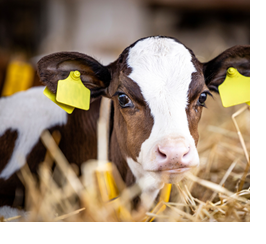 New research is urging dairy producers to rethink calf nutrition strategies, warning that cutting feed costs during early life can significantly undermine long-term performance and profitability.
Speaking at a nutritional masterclass hosted by Mole Valley Feed Solutions, Professor James Drackley at the University of Illinois highlighted the importance of mimicking natural feeding systems to maximise calf growth.
Calves left on the cow grow three times faster than those taken off and fed standard milk replacer - and producers can mimic that with more targeted feeding protocols, he explained. Under natural conditions, calves benefit from frequent feeding of high-protein milk, consuming up to 1-1.5kg of milk solids daily, compared to 0.5kg typically supplied through milk replacer.
Weaning is gradual, taking place between six and 10 months, rather than the abrupt transition often seen at four to eight weeks.
The impact of these differences is significant. Trials show calves left on cows grew at 1.04kg/day in the first 14 days, compared to just 0.36kg/day for those separated early and fed milk replacer. "We overlook this period of high growth and shouldn't be missing out on what mother nature designed," said Prof Drackley. "It's the most cost-effective time to increase body weights."
While leaving calves on cows is not practical for all systems, optimising milk replacer feeding can deliver substantial gains. Increasing both the protein content and feeding rate of milk replacer improves feed efficiency and growth. For instance, feeding a 26% crude protein powder at 10% of bodyweight/day achieved growth rates of 0.55kg/day, rising to 0.81kg/day when intake increased to 18% of bodyweight.
"In the first two weeks you want to maximise milk dry matter intakes - it accounts for 52% of the variability in liveweight gains," said Prof Drackley. Higher protein intake supports lean growth: Body protein deposition increases in direct proportion to the protein fed.
The relationship between milk and starter feed is also critical. Trials demonstrated that calves fed higher protein milk replacer (22%) responded better to increased protein in starter pellets (from 18% to 22%), improving growth and skeletal development. Calves receiving higher milk solids showed better resilience to disease, improved vaccine response, and produced an additional 435kg of milk in their first lactation.
However, Prof Drackley cautioned against premature weaning when feeding higher milk volumes. "Delay weaning by two weeks and step down the milk gradually to maintain growth rates - otherwise there will be too big a weaning check."
Supporting these findings, a study by Mole Valley Farmers, Volac and the University of Reading found that calves fed higher protein starter diets achieved post-weaning growth rates of 0.78kg/day, compared to 0.71kg/day on lower protein diets.
The research has informed the development of Ambition Calf 23% protein feed, which is designed to be fed from day one to 12-16 weeks of age. The unique combination of starch, digestible fibre and protein type helps to reduce any post-weaning check and drive overall performance. www.moleonline.com.
|
|
|
Denmark - Aarhus University Report concludes there is no evidence that cows fed Bovaer have a higher mortality rate or lower milk yield.
Dsm-Firmenich welcomes the publication of the National Centre for Food and Agriculture, Aarhus University's analysis confirming no evidence of any negative effects of the use of Bovaer® in Danish dairy herds in 2025.
The study is an important contribution to understanding the situation in Danish dairy production and provides a strong basis for informed, evidence-based decisions going forward.
The analysis is based on data from 73 herds with broad geographic representation across Denmark, together representing approximately 27,650 annual cows, corresponding to more than 5.5% of cows enrolled in milk recording schemes in Denmark, covering production and animal health parameters before, during, and after the introduction of Bovaer®.
This type of large-scale, real-world data is important for understanding complex on-farm conditions and variations between herds. According to Associate Professor Niels Bastian Kristensen from the Department of Animal and Veterinary Sciences at Aarhus University: the researchers did not find any evidence of an overall negative effect of Bovaer on milk production, disease incidence or mortality in the analysed data. Nor did the researchers find any evidence of an increased incidence of udder inflammation or metabolic disorders during periods of Bovaer feeding.
The report states that a potential cause for the negative farmer reports can be found in the combination of seasonal effects and the introduction of Bovaer in a large number of herds at precisely the time of year when milk volume declines relatively sharply, together with a delayed conversion to ECM yield based on milk components, may have contributed to a self-reinforcing negative narrative and concern about Bovaer, which is difficult to identify in production and disease data, including somatic cell counts when adjusted for seasonal effects.
The data and findings from Aarhus University are consistent with the earlier published national Danish milk production and animal health statistics for 2025, the existing extensive scientific evidence, including more than 150 on-farm trials and over 120 peer-reviewed studies demonstrating no adverse effects on animal production, health or welfare, as well as the widespread practical use of Bovaer® in 25+ countries and 500.000+ cows.
dsm-firmenich
|
|
|
UK - Celebrating 20 years, one purpose - Connecting people with farming and nature
Open Farm Sunday, taking place on 7 June 2026, will mark two decades as the UK's leading on-farm event. It is the industry's leading platform to connect consumers with how their food is produced, showcasing farming with nature and inspiring the public to make more informed, environmentally conscious food choices.
Since 2006 Open Farm Sunday has served as a reminder of the positive benefits of engaging with visitors. Last year saw a 20% increase in the number of host farms which welcomed over 200,000 people. As a result, 92% of visitors said they felt greater trust in British food and farming, 94% left with a better understanding of how farmers work with nature, and 87% reported feeling more connected to the people producing their food.
Open Farm Sunday is more than an annual fun day out - it is a catalyst for change. Its 20th anniversary is our moment to make a difference. We are asking our network of suppliers/ customers/ members, to step forward together and show how farming with nature is shaping the future of our food system. Showcase the passion and professionalism at the core of everything we do.
For the 20th anniversary, LEAF is ramping up support to help more farmers than ever host an event in June 2026. Registered host farmers will have access to:
- In person training and online webinars - practical sessions from January to March on hosting different types of OFS events, from small farm walks to large family open days.
- Free OFS toolkit - including planning guides, signage, activity ideas, communications resources, ticketing events to restrict numbers and risk assessment template.
- Communications and PR support - template press releases, social media assets and national promotional activity to drive visitors to find a local farm to visit.
- Education and youth engagement materials - resources developed through LEAF Education to help host farms engage schools and young people.
Find out more about the support available from LEAF Open My Farm - Open Farm Sunday
|
|
|
UK - Treveale Farm to host landmark Gold Cup Open Day in Cornwall
Dairy producers from across the UK are invited to one of the year's standout on-farm events, as the RABDF NMR Gold Cup Open Day heads to Cornwall on 30 June 2026.
Hosted by 2025 Gold Cup winners Treveale Farm, the event offers a rare opportunity to step inside a high-performing, progressive dairy business and take home practical ideas ready to implement.
Far more than a traditional farm walk, the Open Day will feature a packed programme of interactive talk stations, live demonstrations and more than 30 trade stands. RABDF Chairman Robert Craig said: "Treveale Farm is a fantastic example of a business continually evolving and investing for the future. Visitors will see how the system works and, with so much to explore, there is something for everyone."
Treveale Farm has undergone significant transformation in recent years, including a new dairy in 2018 and a purpose-built youngstock facility completed in 2023. Run by Paul and Wendy Broad, alongside sons David and Philip and Wendy's brother Irwin Morrow, the 280ha unit is home to the 471-cow Maymor Holstein herd, plus 461 youngstock.
The day will open with an update on milk market trends from industry analyst Chris Walkland, followed by insights from the Treveale team on system design, investment and long-term planning.
Technical sessions throughout the day will bring key topics to life, from slurry management, including seeing the farm's slurry separator in action, to herd health and Johne's management, nutrition, and business and tax planning.
Alongside the technical programme, the event will have a strong social element, with complimentary food and drink throughout the day, including a whole ox roast from The Whole Ox Roast Company, Cornish cream teas and free ice cream. Entry is free, but advance registration is required at 2026 RABDF/NMR Gold Cup Open Day Tickets, Tuesday 30 June o 10 AM - 4:30 PM | Eventbrite
|
|
|
UK - Positive indications from early grass silage analysis
Early indications suggest that this year's first-cut silage could potentially bring an extra litre/cow per day benefit, according to samples taken by Mole Valley Farmers. With the growing trend for multi-cut systems, and the dry spring, first cut silage was particularly early, and analyses of 180 samples has revealed interesting results.
Overall, average analyses are slightly drier (34.82%) than the past couple of years, reflecting a relatively dry and windy spring for many. As might be expected with an earlier cut, digestibility or D values have shown a marked increase on last year, to 70.29% (2024 - 68.7%; 2025 - 67.9%) with an associated increase in energy value to 11.25MJ/ kg dry matter (DM), says Robin Hawkey, senior nutritionist at Mole Valley Farmers. "This is also demonstrated by increased rapidly and totally fermentable carbohydrates."
Crude protein levels, at 14.84%, are also better compared to 2024 (14.4%) and 2025 (14.2%). Rapidly fermentable protein levels are slightly lower, while total fermentable protein content is enhanced. "The rumen fermentable energy/protein balance (Nutriopt fermentable energy protein balance or NFEPB) is slightly reduced due to higher fermentable energy content and lower rapidly fermentable protein," notes Dr Hawkey.
"This could have consequences for rumen synchrony and rationing; farmers should observe how cows respond when feeding new rations, specifically dung and milk urea values. Rumen health may be a challenge if first cut silage alone is fed, due to high fermentable energy levels, slightly elevated acid loading and reduced fibre content," he adds. First cut analyses so far have shown a neutral detergent fibre (NDF) content of 45.31% (2024 - 46.7%; 2025 - 47.7%) with an associated reduction in overall fibre index, which may also pose a challenge to butterfats.
"However, fermentation characteristics look good," says Dr Hawkey. "Lactic acid levels are increased, with reduced overall volatile fatty acids (VFAs), so the vital lactic/VFA ratio of 3.68 is a good improvement (2024 - 3.40; 2025 - 2.92), while pH values are very similar, averaging 4.09."
Results also identified increased glucogenic energy content, which reflects various energy sources that support glucose production in the ruminant. In general, higher glucogenic energy silages perform well. Similarly, the Nutriopt Digestible Intestinal Protein (NDIP) value, which reflects how well dietary protein might be utilised, is also enhanced, at 67.35g/kg DM (2024 - 60.8; 2025 - 59.8).
In all, improved DM content, higher crude protein, glucogenic energy and VFA levels all contribute to a well-rounded beneficial feed value, explains Dr Hawkey. "Our results suggest that first cuts could be capable of contributing an additional yield of one litre/cow per day (assuming 14kg/DM intake) - a significant increase on 2025 results. "But it is important that producers sample their own silage crops and get detailed nutritional advice to balance the ration and limit potential butterfat losses." www.moleonline.com.
|
|
|
Tried & Tested Cow Brushes - Survey
Tried and Tested: Helping Farmers Choose the Right Cow Brush
Investing in new equipment is never without risk. You can research, compare and even see products in action, but until they are on farm, it is hard to know how they will really perform. That is exactly why Kingshay's Tried & Tested reports exist: to give farmers access to honest, independent feedback from others using the same products day in, day out.
Our next report focuses on cow brushes; an increasingly popular investment to improve cow welfare. But with wide variation in build quality, reliability and price, choosing the right option isn't always straightforward.
This is where your experience matters. Every survey response helps build a clearer, more reliable picture of what works well on farm, and just as importantly, what doesn't. The more farmers who take part, the stronger and more useful the results become for the whole industry.
The survey takes just a short time to complete, and participants will be entered into a £100 Amazon voucher prize draw. Most importantly, you will be helping other farmers make better-informed decisions and avoid costly mistakes.
If you use cow brushes, take part today; your insight could make all the difference.

|
|
|
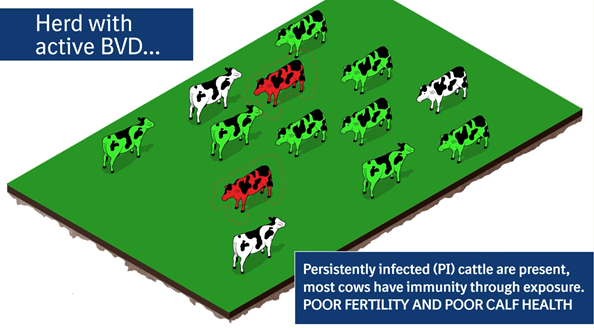
UK - Newly-launched BVD website unveils key risks of the virus on herd performance
Boehringer Ingelheim, manufacturers of the market-leading BVD vaccine, Bovela® has launched a brand-new website, with separate sections for vets in practice and farmers
Why take the BVD risk? | Bovela®
"Whether running a closed or open herd, in a country with a voluntary or mandatory control scheme, the role of vaccination and testing are important to prevent the BVD virus causing losses," says brand manager, Amy Rogers. "Ensuring stock is protected and vaccinations with Bovela are up-to-date and have been administered at the right time is crucial as BVD is an ever-present threat."
The website documents studies around BVD and BVD vaccination looking at: Impact on fertility; BVD causing poor weight gain; Economic impact of the virus in calves; Reduction in milk yields caused by BVD; Reproductive issues. It also covers BVD transmission and how to effectively protect stock utilising bio-security measures, culling, testing/surveillance as well as vaccination.
"Planning a BVD vaccination regime can catch producers out, especially with the more complex protocol associated with the killed BVD vaccine that is available," adds Amy. "We know this as it is cited as a reason for re-starting a vaccination regime in the National BVD Survey.
"Bovela's easy-to-follow, one step primary course and yearly booster is significantly more straightforward to incorporate into herd management and the new website hosts the Mind the Gap tool, makebvdhistory.co.uk/mind-the-gap, which shows a simple planning calendar once key data such as heifer pregnancy date and anticipated calving date are uploaded," Amy Rogers concludes. "The website also has a back catalogue of BVD case studies and information gathered from the BVD survey over the years."
|
|
|
DEADLINE APPROACHES . . . Cream Awards entries - please send your entry by 31st May . . .
Put yourself forward, or nominate someone you know. www.creamawards.UK
If you need a little more time, just contact the organiser at e: caroline@calderwood.cc
|
|
|
|
|
UK - Routes to Regen providing support to East of England farmers
The Royal Countryside Fund (RCF), the UK-wide charity founded by HM King Charles III to support farming families and rural communities, has launched the second year of Routes to Regen. This free, collaborative programme is bringing together leading food, finance and agri-businesses to provide farmers with a range of opportunities in one easy-to-access menu.
Input costs are up, margins are tight, support has shifted and hours can be lost filling in forms. There's a recognition - led by HM King Charles III - that agriculture must become more sustainable, not only to benefit the environment but also to increase the resilience of farm businesses.
Many of the companies involved in the pilot year are continuing their commitment to supporting farmers through the programme, including McCain Foods, Lloyds Banking Group, McDonald's UK&I, Natwest and Cranswick. There are farmers exploring cover crops and reducing tilling, but also farmers who don't feel 'regen' is for them or worried it's too risky. Wherever they are, Routes to Regen shows what opportunities could work best for each farm at their own pace to help lower costs; reduce inputs; support more productive soil; and reduce risks to their finances from weather, pests and diseases.
If you farm in the East of England (Bedfordshire, Cambridgeshire, Essex, Hertfordshire, Kent, Lincolnshire, Norfolk, Northamptonshire, Rutland and Suffolk), you can find out more and sign up at www.royalcountrysidefund.org.uk/routestoregen with on-farm visits starting this October.
|
|
|
|
| |
BRITISH DAIRYING
ENSURE YOU RECEIVE EVERY COPY
British Dairying is available by subscription at £70.00 posted to UK addresses,
£90.00 for Europe, £115.00 for the Rest of the world
or £30 +VAT for British Dairying Online only
|
|
|
QUOTE

"Life laughs at you when you are unhappy; Life smiles at you when you are happy; But life salutes you when you make others happy."
Charlie Chaplin
|
|
| |
|
|
|
You are receiving this email because you are a registered reader of British Dairying and we are pleased to send you extra information to supplement the journal.
|
|
|
British Dairying,
Grove House Media Ltd
Priory Cottage, Eastbourne Road Ridgewood East Sussex TN22 5ST
Grove House Media Ltd is registered in England and Wales, Registration No 16722598
|
|